Istanbul · International andrology & penile prosthesis centre

Santa Urology Istanbul

Where your surgery happens

The Istanbul hospitals we operate in

A clinic can be excellent and still be the wrong place to have an implant put in, because prosthetic surgery occasionally needs a building rather than a room. These are the hospitals we book theatre time in, what each one is accredited to, and why a given case goes to one rather than another.

Hospitals in regular use
Four
Accreditation
JCI at every site
In-patient room
Private, companion bed
Transfers
Included in every package

Santa Urology is a clinic, not a hospital. Consultations, assessment, imaging and follow-up happen at our own premises in Beşiktaş; operations happen in accredited private hospitals elsewhere in the city, where we hold theatre time and admitting rights. That split is deliberate. A standalone day-surgery unit can perform a penile implant on a healthy man without incident hundreds of times, and then meet the case where the corpora are fibrosed, the previous device was infected, or the patient’s cardiac history turns a ninety-minute operation into an overnight intensive care admission.

The published complication rates for penile prosthesis surgery are low — infection in the region of one to three per cent in first-time implants at experienced centres — but they are not zero, and the difference between an inconvenience and a disaster is usually how quickly the resources on the other side of the theatre door can be brought to bear. Intensive care, interventional radiology, an in-house microbiology laboratory, a blood bank, and a sterile services department that processes your instrument trays under audit.

So the hospital is part of the clinical decision, and it is part of your quotation. Every quotation we issue names the hospital, the room category and the accreditation status in writing before any deposit is taken. If the plan changes after assessment — and occasionally it does, because assessment sometimes finds something — you are told which hospital and why before anything is booked.

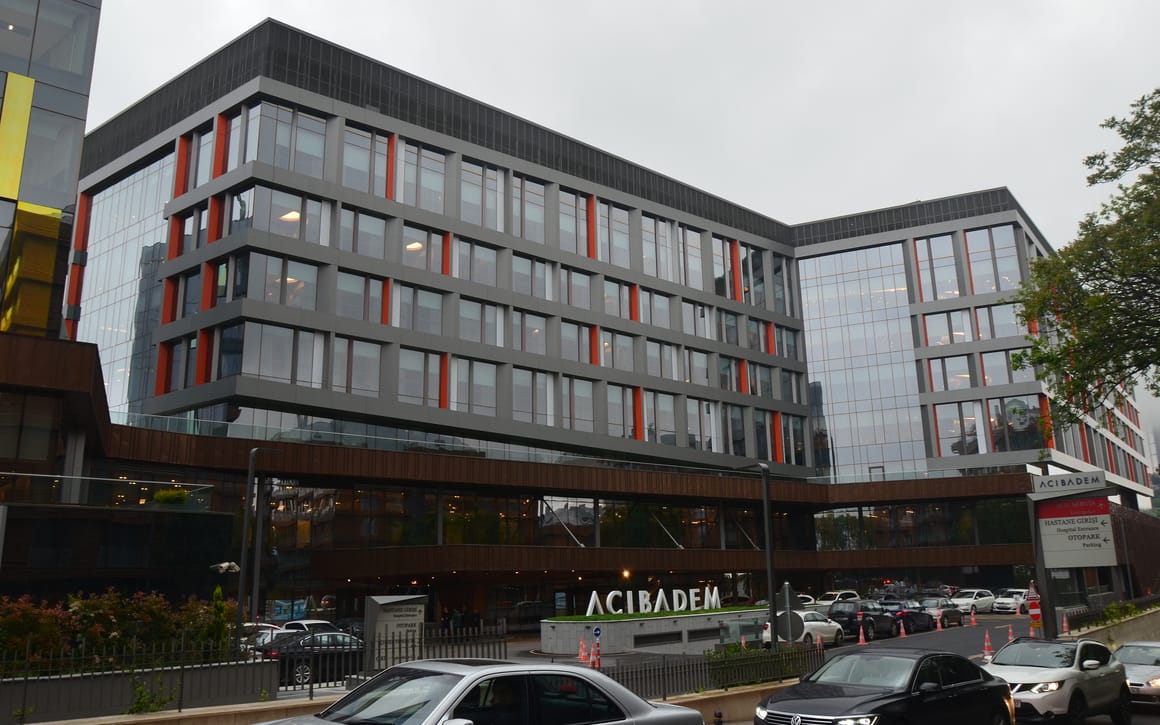
The Acıbadem Altunizade Hospital building in Üsküdar, Istanbul, seen from the street entrance.
Acıbadem Altunizade Hospital, Üsküdar — 98,000 m² of clinical floor space opened in 2017.

Altunizade, Üsküdar — Asian side

Acıbadem Altunizade Hospital

Acıbadem Healthcare Group · Our default theatre for complex revision and salvage work.

Opened
2017
In-patient beds
350
Operating theatres
18
Intensive care beds
75
Interpreting
16 languages on site
  • JCI accredited (since 2019)
  • Acıbadem group quality system
  • LEED Gold building certification

Altunizade is the largest of the Acıbadem group’s Istanbul hospitals and the one we use most. For prosthetic urology the relevant features are unglamorous: a large theatre complex with restricted-traffic discipline, a seventy-five-bed intensive care unit two floors away, interventional radiology and microbiology in the same building, and a central sterile services department that processes our instrument sets rather than a subcontractor.

It also carries a hybrid theatre pairing 3-Tesla MRI, sliding 128-slice CT and robotic-arm angiography. We do not need that for a routine implant. We do want it in the building when a revision case turns out to involve scarred corpora, a previously infected device or a patient with vascular disease who has already had two abdominal operations.

The hospital has been JCI accredited since December 2019 and runs a sixteen-language patient support desk, which in practice means a patient who wakes up at three in the morning can be understood by the nurse who answers the call bell.

What we operate on here

  • Implant revision, salvage and explant–reimplant surgery
  • First-time inflatable implants in patients with cardiac, renal or diabetic comorbidity
  • Peyronie’s correction requiring grafting
  • Any case where anaesthesia has flagged an intensive care bed as a possibility
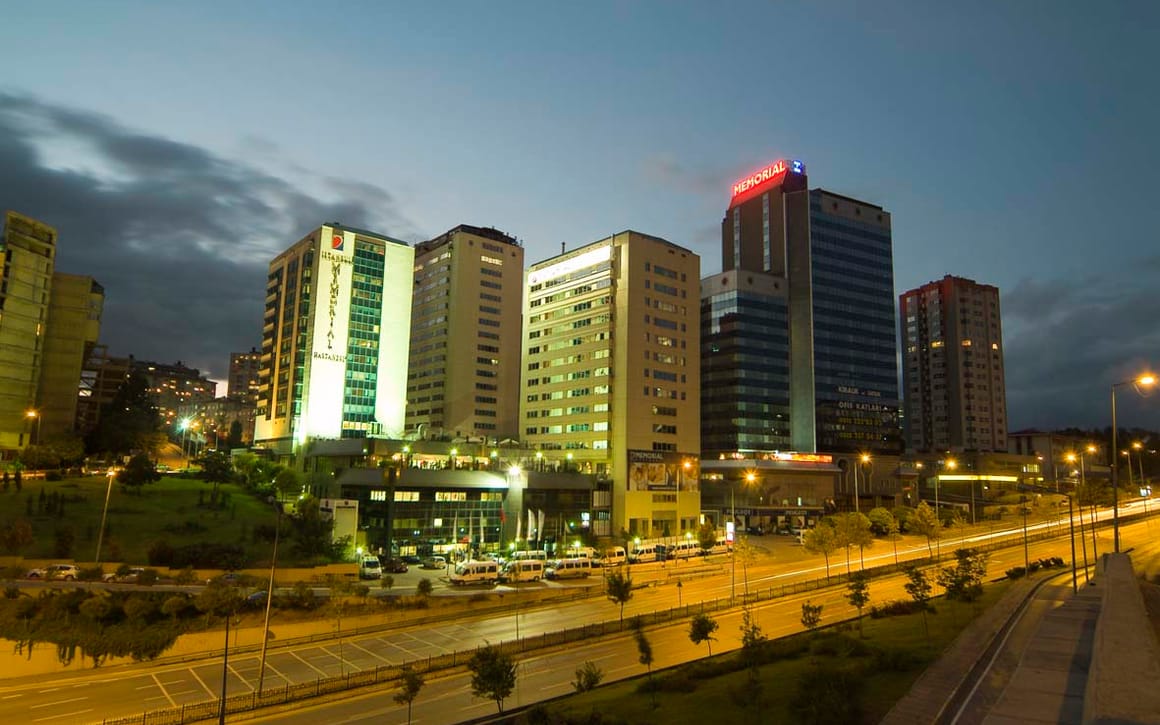
Memorial Şişli Hospital in the Okmeydanı district of Istanbul, photographed at dusk with its illuminated signage.
Memorial Şişli Hospital, Piyalepaşa — the group’s founding hospital, in clinical use since 2000.

Piyalepaşa, Şişli — European side

Memorial Şişli Hospital

Memorial Healthcare Group · The first JCI-accredited hospital in Türkiye, and the twenty-first in the world.

Opened
2000
In-patient beds
252
Operating theatres
13
Intensive care units
4
Floor area
53,000 m²
  • JCI accredited — first in Türkiye (2002), renewed since
  • ISO 15189 accredited laboratory
  • American Hospital Association member

Memorial Şişli was designed against JCI standards while it was still a building site, which is a different thing from retrofitting them afterwards. It became the first hospital in Türkiye and the twenty-first anywhere to be accredited, and it has been resurveyed on the three-year cycle ever since.

For our patients the draw is the transplant and vascular infrastructure. A hospital licensed for liver and kidney transplantation keeps anaesthetic, intensive care and blood bank cover at a level that a hospital doing elective day surgery does not, and that cover is what you are actually buying when a straightforward operation stops being straightforward.

It is on the European side, roughly fifteen minutes from the hotels we use in Beşiktaş and Nişantaşı, which makes it the easier option for patients whose companion will be travelling in and out for the follow-up visits.

What we operate on here

  • Primary inflatable and malleable penile implant surgery
  • Peyronie’s disease correction, including plication and grafting
  • Penile lengthening with suspensory ligament release
  • Patients on anticoagulation or with a significant cardiac history
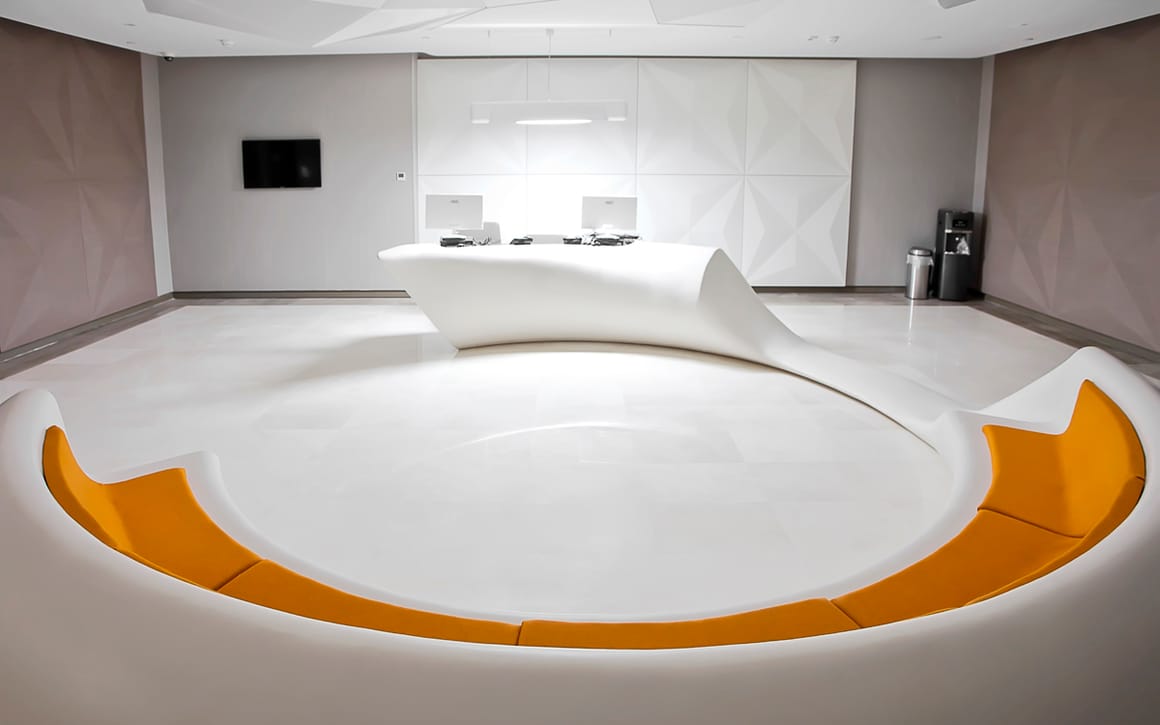
The outpatient clinic reception area at Liv Hospital Ulus in Istanbul, with a curved white desk and seating.
Outpatient clinic floor, Liv Hospital Ulus — fifty consulting rooms across a 30,000 m² campus.

Ulus, Beşiktaş — European side

Liv Hospital Ulus

Liv Hospital (MLP Care) · Smart theatres and an SRC Center of Excellence for robotic surgery.

Opened
2013
In-patient beds
154
Operating theatres
8
Surgical intensive care beds
11
Consulting rooms
50
  • JCI accredited
  • SRC Center of Excellence — robotic surgery
  • TÜV / ISO certified quality system

Liv Ulus is the newest of the hospitals on this list and the smallest, which is part of the appeal: a hundred and fifty beds behind eight theatres means theatre time is easier to schedule at short notice, and a patient is not walking half a kilometre between admissions, imaging and the ward.

Its Surgical Review Corporation designation for robotic surgery is procedure-specific rather than hospital-wide, and it is worth understanding what that implies — SRC accredits on case volume, surgeon credentialling and audited outcomes for a named programme. That discipline benefits the theatre culture around it.

It sits ten minutes from our clinic in Beşiktaş, so it is where we place day-case work and the shorter pathways: the patient is assessed, operated on and reviewed inside a small radius rather than crossing the Bosphorus twice.

What we operate on here

  • Day-case girth enhancement with hyaluronic acid filler
  • Straightforward primary implant cases in otherwise well patients
  • Diagnostic work: penile duplex Doppler and dynamic assessment
  • Wound reviews and short-stay procedures during the recovery week
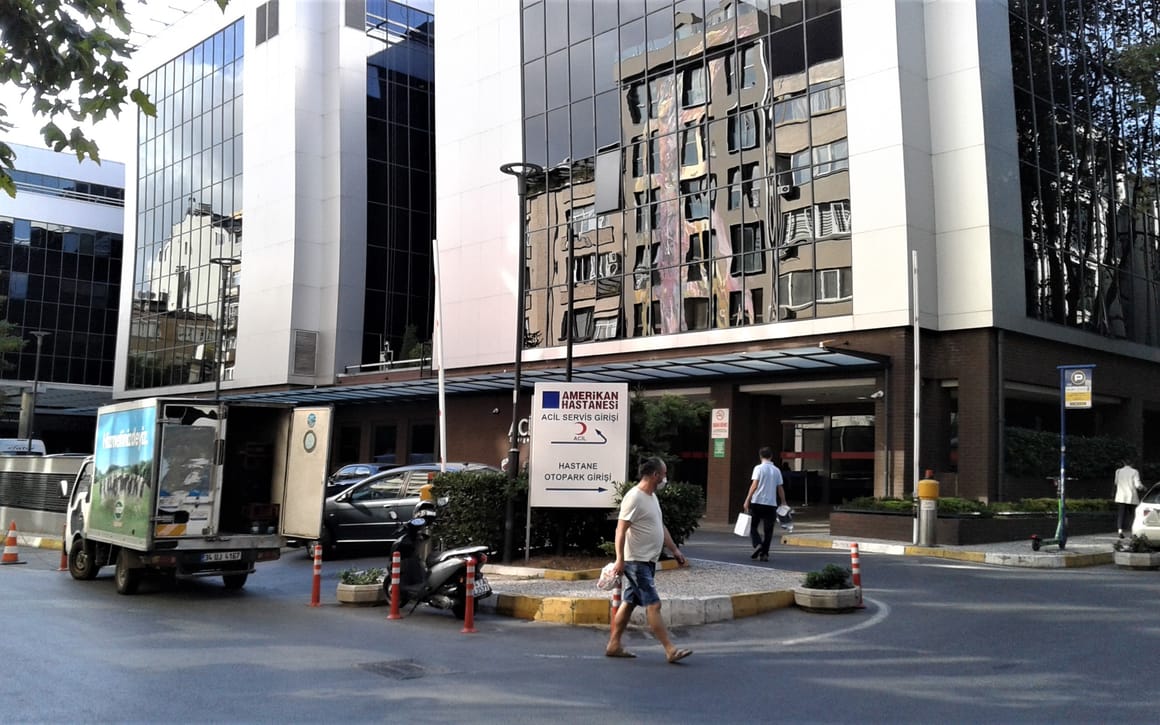
The entrance and forecourt of the VKF American Hospital in Nişantaşı, Istanbul, with its signage above the driveway.
VKF American Hospital, Nişantaşı — Türkiye’s first non-profit private hospital, operating since 1920.

Nişantaşı, Şişli — European side

VKF American Hospital

Vehbi Koç Foundation (non-profit) · Founded in 1920; the first hospital in Türkiye to hold JCI and three ISO standards at once.

Founded
1920
In-patient beds
278
Operating theatres
12
Intensive care beds
62
Operations a year
10,000+
  • JCI accredited since 2002, renewed five times
  • ISO 9001 · ISO 14001 · ISO 27001
  • Mayo Clinic Care Network member

The American Hospital is a non-profit, owned by the Vehbi Koç Foundation, and it behaves like one. It has held JCI accreditation continuously since 2002 and was the first private hospital in the country to carry JCI alongside ISO 9001, ISO 14001 and ISO 27001 simultaneously.

ISO 27001 is the certification patients tend to skip past and the one we would highlight. It is an audited information security standard, and it governs how a hospital stores, transmits and disposes of your record. For a diagnosis men are reluctant to write down in an email, an audited answer to “who can see this file” is a clinical feature, not an administrative one.

It is also the most expensive room rate of the four, and we say so plainly in quotations rather than absorbing it quietly. Some patients want this hospital specifically; others would rather put the difference towards the device.

What we operate on here

  • Patients who ask for a non-profit or academically affiliated institution
  • Complex anaesthetic risk requiring pre-operative multidisciplinary review
  • Cases needing on-site subspecialty opinion — cardiology, endocrinology, haematology
  • Patients with heightened confidentiality requirements

Side by side

The four hospitals compared

Capacity figures are each hospital’s own published numbers and are given for orientation rather than as a ranking. A bigger hospital is not a better one; it is a hospital with more of something, and only some of that something is relevant to your operation.

Capacity and accreditation of the four Istanbul hospitals used by Santa Urology
Hospital District Beds Theatres Opened Accreditation
Acıbadem Altunizade Altunizade, Üsküdar — Asian side 350 18 2017 JCI accredited (since 2019); Acıbadem group quality system; LEED Gold building certification
Memorial Şişli Piyalepaşa, Şişli — European side 252 13 2000 JCI accredited — first in Türkiye (2002), renewed since; ISO 15189 accredited laboratory; American Hospital Association member
Liv Ulus Ulus, Beşiktaş — European side 154 8 2013 JCI accredited; SRC Center of Excellence — robotic surgery; TÜV / ISO certified quality system
American Hospital Nişantaşı, Şişli — European side 278 12 1920 JCI accredited since 2002, renewed five times; ISO 9001 · ISO 14001 · ISO 27001; Mayo Clinic Care Network member

Figures as published by each hospital at the time of writing. JCI accreditation is renewed on a three-year survey cycle, so status can change between renewals — the current position for your hospital is confirmed in writing before you pay a deposit.

Constant across all four

What does not change with the hospital

The building varies. The protocol does not. These are ours, they travel with the surgical team, and they are the items with an evidence base behind them in the prosthetic literature.

  • HEPA-filtered, positive-pressure theatre with restricted staff traffic and a closed door from prep to closure
  • The same prosthetics-experienced scrub team, following one written no-touch protocol at every implant case
  • Antiseptic skin preparation with alcoholic chlorhexidine, and a ten-minute drying period actually timed rather than estimated
  • Intravenous prophylaxis covering Gram-positive and Gram-negative organisms, given inside the hour before incision
  • Antibiotic-coated or hydrophilic-coated devices as standard, handled with device-isolation technique
  • Every device serial number recorded in the operative note and registered to you by name with the manufacturer
  • A private room for the in-patient night, with a companion bed, in every pathway that includes admission
  • Surgeon review on the evening of surgery and again before discharge — not a delegated ward round
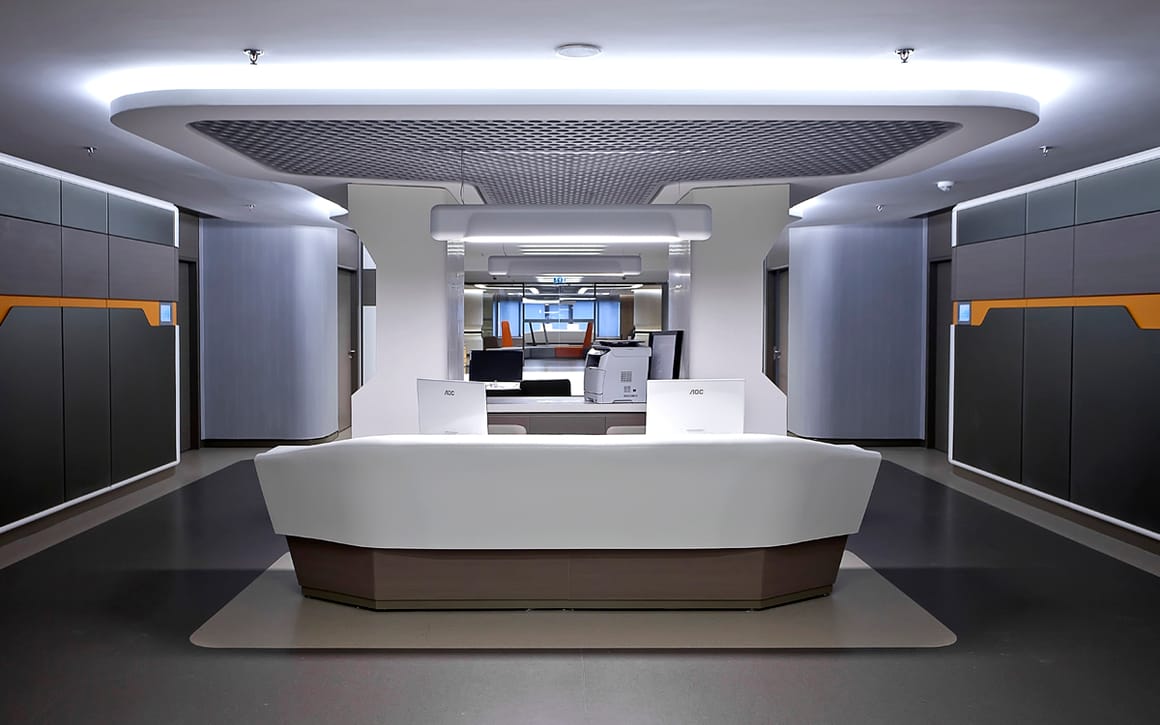
A nurses’ station on a ward floor at Liv Hospital Ulus in Istanbul.
Ward nurses’ station, Liv Hospital Ulus. Drain and catheter care, early mobilisation and the first dressing change follow the same written orders in every hospital we use.

Reading the badges

What each accreditation actually certifies

“Internationally accredited” is used loosely in medical travel, and some of the certificates on display in this sector are paid listings. This is what sits behind each of the claims made on this page, including the ones that are not accreditation at all.

JCI

Joint Commission International

Hospital-wide accreditation, surveyed on site every three years by a multidisciplinary international team. It covers international patient safety goals, infection prevention and control, medication management, surgical site marking and the “time out” before incision, and how the hospital investigates its own adverse events. It is the closest thing to a global benchmark and can be verified in JCI’s public directory of accredited organisations.

ISO 9001 / 14001 / 27001

Management system standards

Externally audited management systems rather than clinical outcome measures: 9001 for quality management, 14001 for environmental management, and 27001 for information security — the standard that governs how your medical record is stored, transmitted and destroyed.

ISO 15189

Medical laboratory accreditation

Applies to the laboratory rather than the hospital, and certifies competence and result traceability. It matters here for pre-operative bloods and, in infected-device cases, for the microbiology that decides which antibiotic goes into the irrigation.

SRC

Surgical Review Corporation Center of Excellence

Procedure-specific accreditation awarded on audited case volume, surgeon credentialling, protocol adherence and outcomes for one named programme. It says nothing about the rest of the hospital, which is precisely why it is useful when it applies to the programme treating you.

T.C. Sağlık Bakanlığı

Ministry of Health authorisations

Turkish hospitals require a Ministry of Health operating licence, and treating international patients additionally requires an International Health Tourism Authorisation Certificate. Both the hospital and the clinic coordinating your care must hold one. Ask for the numbers; a provider that cannot produce them is operating outside the framework.

Not accreditation

Awards, rankings and “certified” badges

Medical travel awards, magazine rankings, Turquality membership and LEED building certificates are real but are not clinical accreditation, and some “certificates” in this sector are paid listings. Treat a badge as a claim to be checked rather than as evidence in itself.

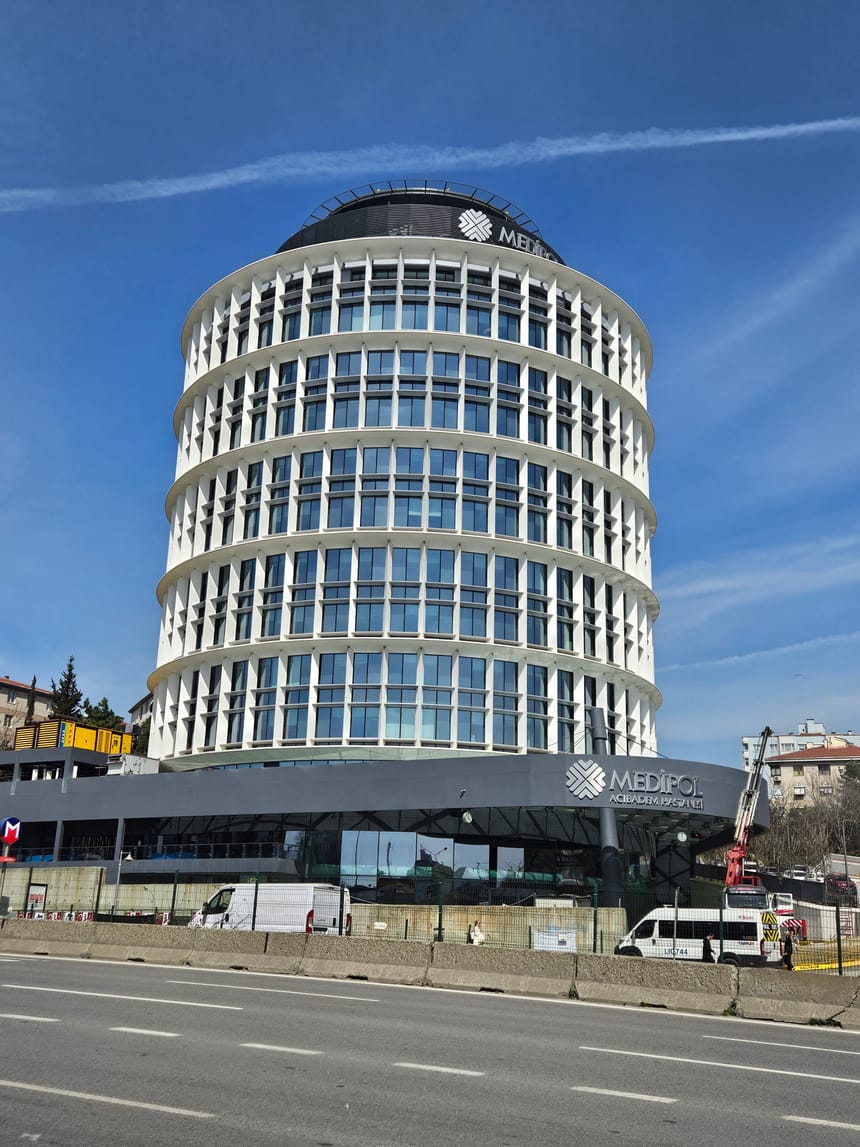
A Medipol hospital building in the Acıbadem district of Kadıköy, Istanbul, photographed from across the road.
Medipol’s Acıbadem campus in Kadıköy. The group’s JCI-accredited academic medical centre is at Bağcılar.

Beyond the four

Other accredited hospitals we use

The four above cover the great majority of our operating. A small number of cases go elsewhere, either because a case needs a particular subspecialty on site or because theatre scheduling would otherwise delay a patient who has already booked flights.

Group Florence Nightingale — Gayrettepe and Şişli
Among the first Turkish hospitals to be JCI accredited, with strong cardiac and oncology cover. The group’s newest Istanbul hospital was the first in Türkiye surveyed under JCI’s eighth-edition standards.
Medipol Mega University Hospital — Bağcılar
A JCI-accredited academic medical centre, which is a separate and more demanding JCI programme than the standard hospital survey. Used where a case benefits from a teaching-hospital multidisciplinary structure.
Medicana International Istanbul — Beylikdüzü
JCI accredited, with an established international patient department. Occasionally used for capacity when theatre scheduling elsewhere would delay a patient who has already booked flights.

Checking it yourself

How to verify any of this

You should not take a clinic’s word for the hospital it operates in, ours included. JCI publishes a searchable public directory of currently accredited organisations, and a hospital that has lapsed disappears from it. Turkish hospitals must hold a Ministry of Health operating licence, and any provider treating international patients must additionally hold an International Health Tourism Authorisation Certificate — including us. Ours is certificate no. ST-1971, issued by the Ministry’s General Directorate of Health Services, and it is reproduced in full on the about page.

Ask three questions of every clinic you are considering, not only this one. Which named hospital will I be admitted to? Is it accredited today, and by whom? And who is the surgeon, how many of these operations do they perform a year, and will they be in the theatre for the whole of mine? A brand name in place of an answer to any of those is itself the answer.

Send the questions to consult@santaurology.com and they are answered by the clinical team rather than a coordinator, in writing, before you are asked for anything. Our surgical team page sets out who operates, and the patient journey page covers the admission day itself hour by hour.

What accreditation does not tell you. No hospital accreditation measures the individual surgeon’s annual volume in your specific procedure, and in prosthetic urology that is one of the few variables with a consistent relationship to complication rates in the published literature. A JCI-accredited hospital with an occasional implanter is not a safer choice than a high-volume implanter. Ask about both.

Photography credits

Hospital photographs on this page are reused from Wikimedia Commons, cropped and resized. No image shows a Santa Urology patient, and none was taken in a clinical area during treatment.

Next step

Ask which hospital your case would go to

Send your history for review and the reply names the hospital we would admit you to, why that one, the room category, and the accreditation it holds — alongside the surgical plan and an itemised quotation.

Request a case review WhatsApp the clinic

Replies within two working days · correspondence kept discreet on request

WhatsApp us